A Rational Account of Transition from the “Primary Enemy” toward Popular Sovereignty
“Neither Pahlavi-worship nor Pahlavi-destruction; rather, critical, conditional, and truth-seeking support for Reza Pahlavi.”
Part One — The Islamic Republic as It Actually Exists: Iran’s Primary Enemy
A political judgment about the current structure of power — not an eternal verdict
1. The Islamic Republic as it actually exists, in its present condition, is the primary enemy of Iran and the Iranian people.
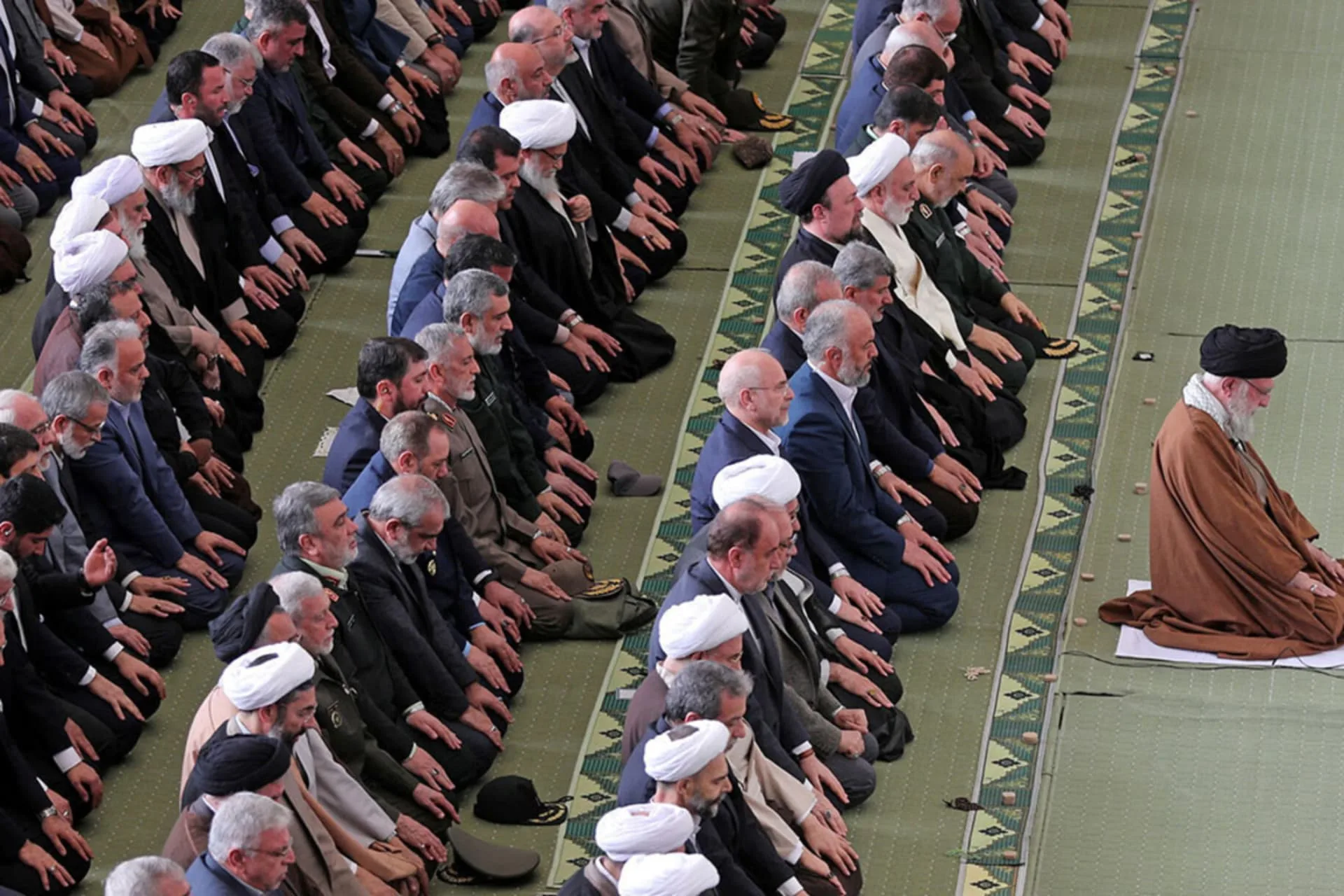
1.1 — This refers to a regime in which the Supreme Leader’s authority supersedes the will of the people; free elections do not exist; the IRGC plays a decisive role in politics, economics, security, media, regional policy, and internal repression; freedoms of expression, association, lifestyle, women’s rights, minority rights, religious and non-religious freedoms, and social rights are structurally suppressed; and the people have no real, free, secure, or effective means of changing the government.
1.2 — Being the primary enemy is not an inherent or eternal verdict about a name; it is a political judgment about the current structure of power. I do not claim that anything bearing the name “Islamic Republic,” under any hypothetical conditions and forever, is Iran’s primary enemy. My argument concerns the actually existing regime: a regime characterised by Supreme Leadership, Guardian Council vetting, IRGC dominance, widespread repression, official ideology, regional crisis-generation, and the negation of national sovereignty.
1.3 — If these conditions were to change meaningfully in a hypothetical future, the subject of the argument would also change. For instance, if the Supreme Leadership were abolished, free and competitive elections held, the Guardian Council stripped of the right to exclude citizens and political forces, the IRGC removed from politics, economics, media, and repression, fundamental civil rights guaranteed, power made genuinely transferable, and what is today called the Islamic Republic were to participate merely as one party in free political competition, we would no longer be confronting the same phenomenon about which we now speak.
1.4 — Conclusion of This Section — Based on propositions 1.1 through 1.3, the Islamic Republic’s status as the primary enemy is contingent upon its current structure, not upon its name alone.
1.5 — More Precise Form of the First Proposition — The Islamic Republic as it actually exists — by virtue of its current power structure and its historical and political conduct — constitutes the most significant immediate obstacle to freedom, justice, equal rights, and the welfare of Iranians; and in this precise sense, it is the primary enemy of Iran and the Iranian people.
2. Any force that constitutes a serious threat to the primary enemy must be taken seriously from a strategic standpoint. This proposition does not entail full moral endorsement of that force. Politics is not solely a matter of judging forces as pure or impure; it is also a matter of assessing capacity, effectiveness, priorities, and the relationship of forces to the primary threat.
3. The Islamic Republic is openly, persistently, and in an organised manner engaged in discrediting, attacking, and delegitimising Reza Pahlavi. These attacks are carried out through official media, cyber forces, security figures, and propaganda narratives.
4. The Islamic Republic’s sustained attacks on Reza Pahlavi do not, by themselves, constitute conclusive proof of his danger to the regime, but they are a significant indicator.
4.1 — Capacity for Social Mobilisation — Capacity for social mobilisation against the Islamic Republic, as evidenced by the significant presence of supporters at gatherings both inside and outside the country.
4.2 — Capacity to Impose International Costs on the Regime — Capacity to impose international costs on the regime through public diplomacy and by influencing the thinking of Western politicians.
4.3 — Capacity to Engage with Western Politicians and Governments — Capacity to engage with Western politicians and governments, and to lay the groundwork for the formation of an alternative or coordination structure for a transitional period.
4.4 — On the Hypothesis of “The Regime’s Elevation of Pahlavi” — This hypothesis remains no more than a weak claim unless serious evidence is adduced in its support. The simpler explanation is that the regime regards Pahlavi as a genuine threat and attacks him for that reason.
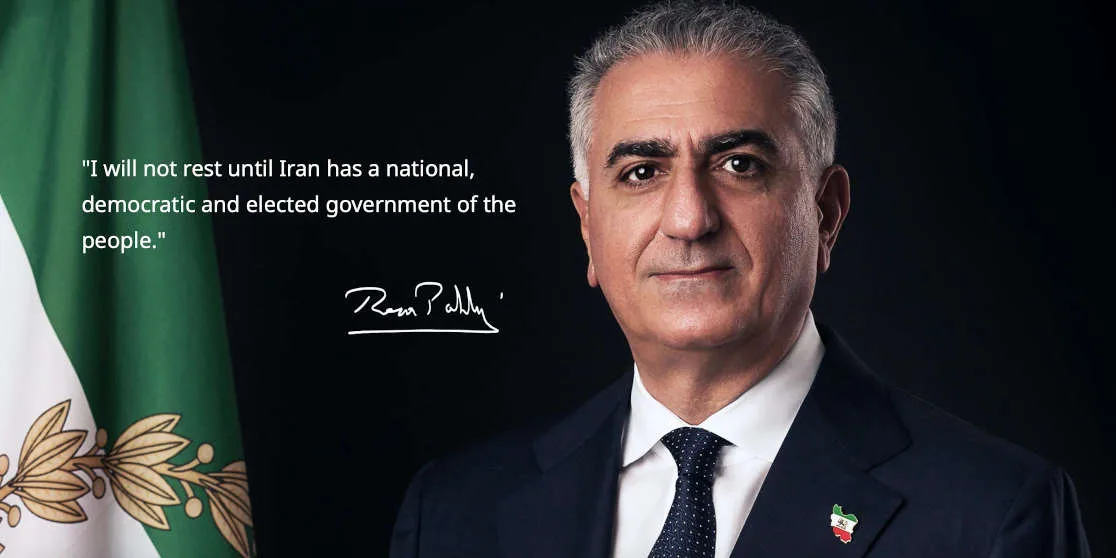
5. Reza Pahlavi possesses a name, symbolic standing, a network of supporters, and the capacity for political mobilisation against the Islamic Republic. This proposition can be examined through observation of the political landscape, slogans, the regime’s sensitivity, supporter gatherings, media presence, and the level of public attention. The claim is not that he is the definitive representative of all Iranians; the claim is that in the real arena of politics, he is an important, noteworthy, and influential force.
Part Two — Strategic Threat and Assessment of Scenarios
From the first conclusion to assessing the most pessimistic scenario
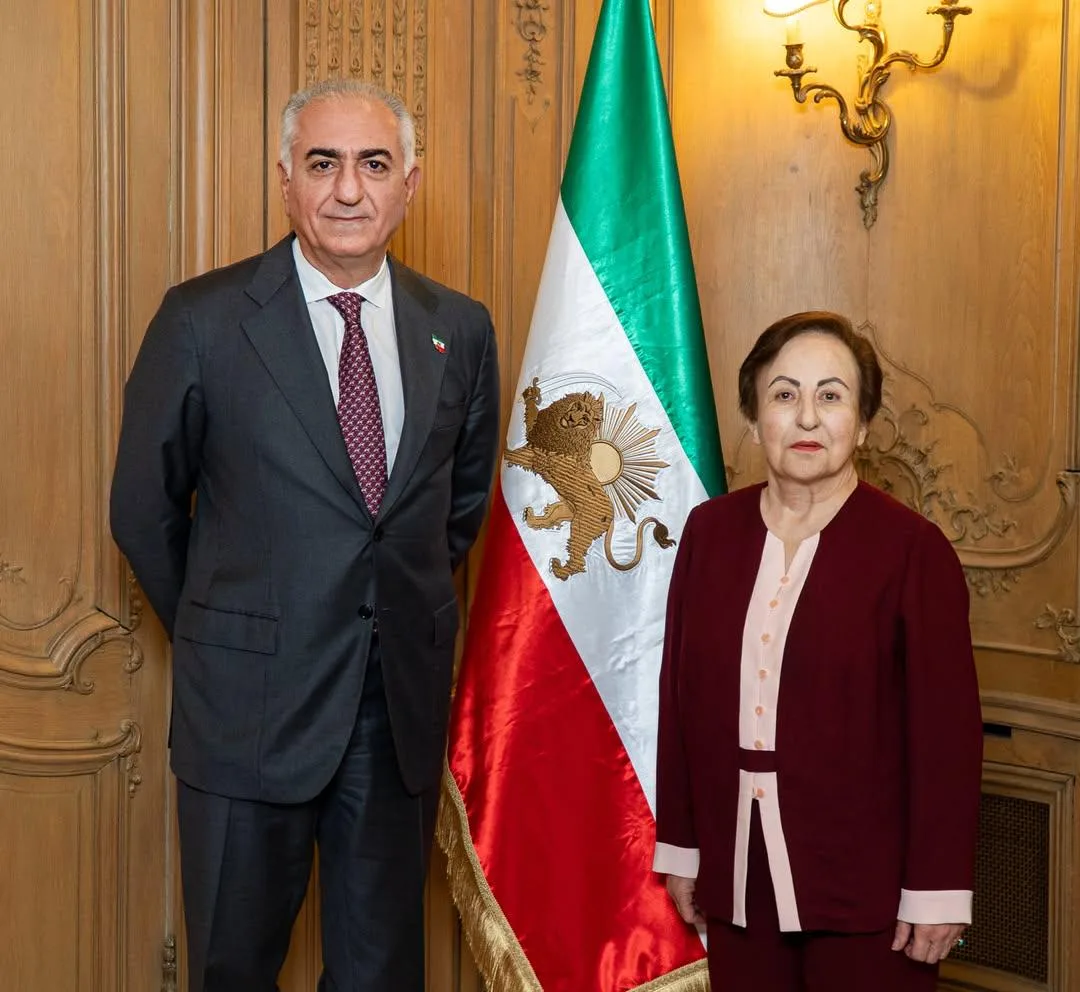
6. First Conclusion: Reza Pahlavi is, at minimum in the view of the Islamic Republic and in current circumstances, a serious threat to the regime.
Based on propositions: 3, 4, 5
This conclusion does not assert that Pahlavi is the best possible leader, that Iran’s future should be entrusted to him, or that he is immune from critique. It merely claims that he constitutes a serious — and likely existential — threat to our primary enemy.
7. The Islamic Republic is not merely an authoritarian government; it is an authoritarian, ideological, revolutionary, anti-national, crisis-generating, and hostage-taking regime. The Islamic Republic exports revolution, builds proxy forces, maintains structural enmity toward the United States and Israel, has subjected the country to nuclear and missile sanctions, and finances its ideology at the expense of the Iranian nation’s resources.
8. Even if we were to envision a pessimistic scenario in which the Pahlavi-aligned movement fails to fully relinquish power following a transitional period and instead establishes a more conventional, non-ideological authoritarian government, that scenario would still differ fundamentally from the current Islamic Republic. This proposition does not constitute a defence of authoritarianism. My preferred government is one that is secular, democratic, committed to human rights, freedom of parties, freedom of the press, and free elections.
This proposition does not constitute an endorsement or desire for authoritarianism. It is a realist calculation under conditions of crisis.
9. Second Conclusion: Even the pessimistic post-Islamic Republic scenario involving Pahlavi, if more conventional, more secular, and non-revolutionary, would be meaningfully better than the current Islamic Republic.
Based on propositions: 7, 8
In politics, movement toward the desired outcome is typically not achieved by choosing between the “status quo” and the “perfect ideal,” but rather by choosing among real and achievable conditions.
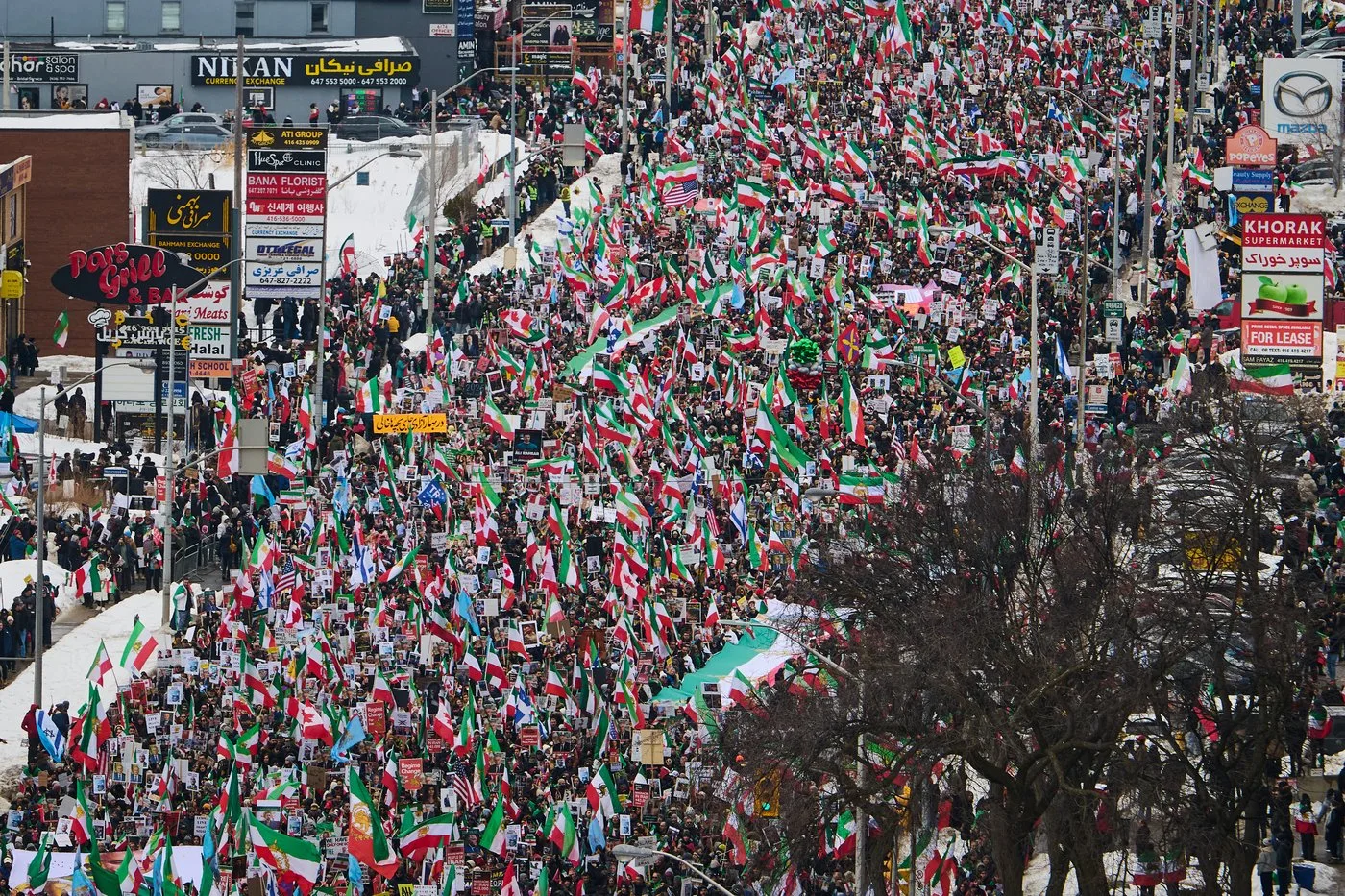
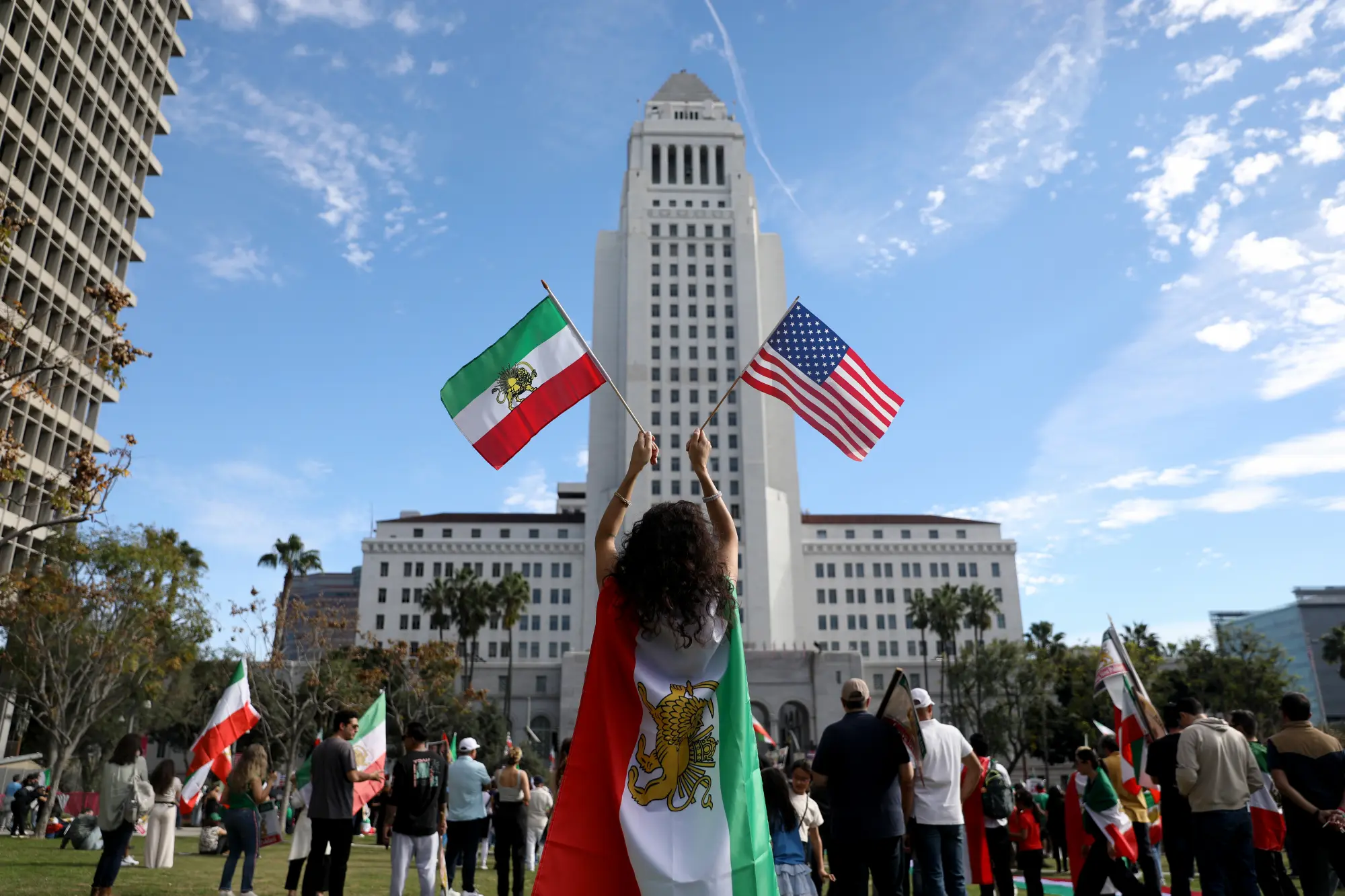
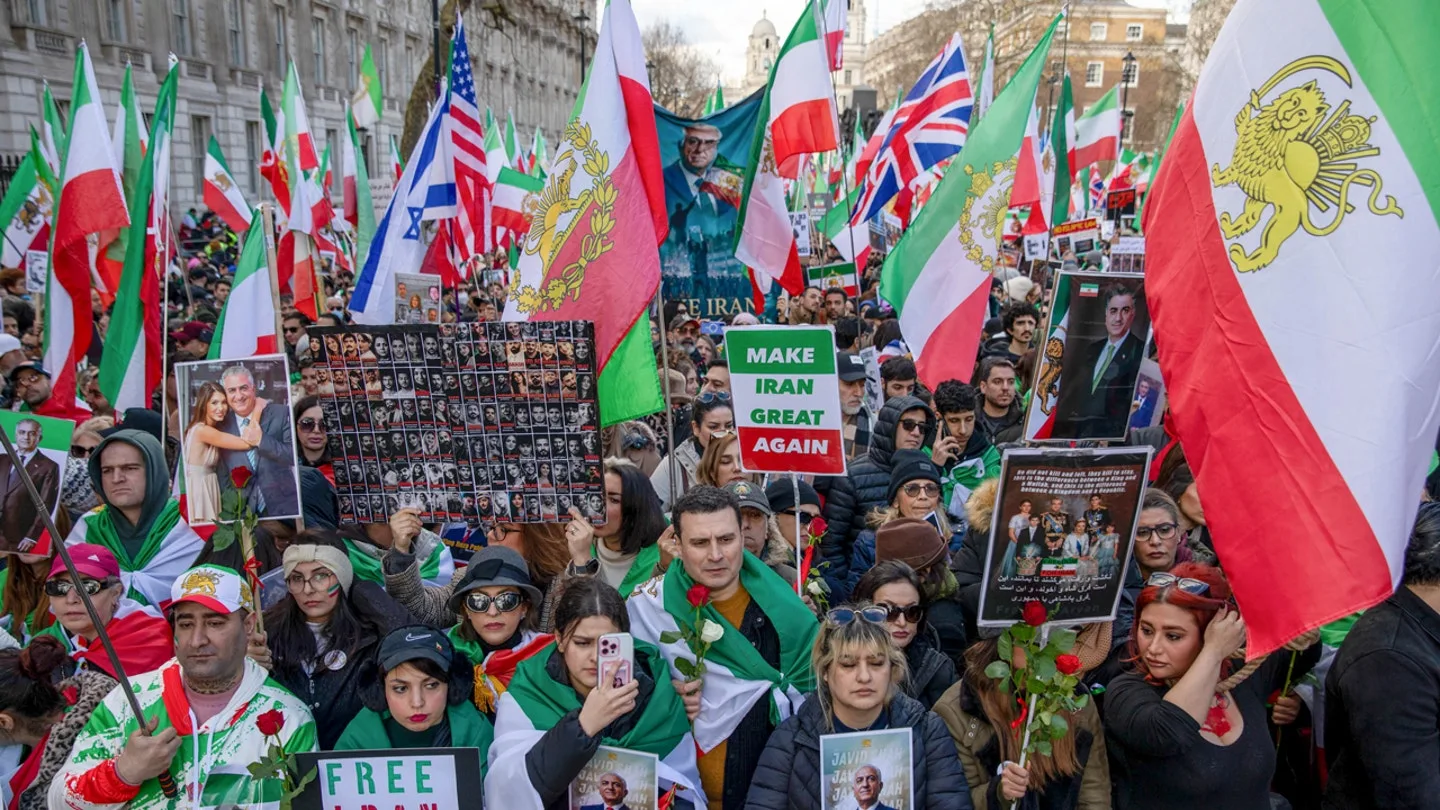
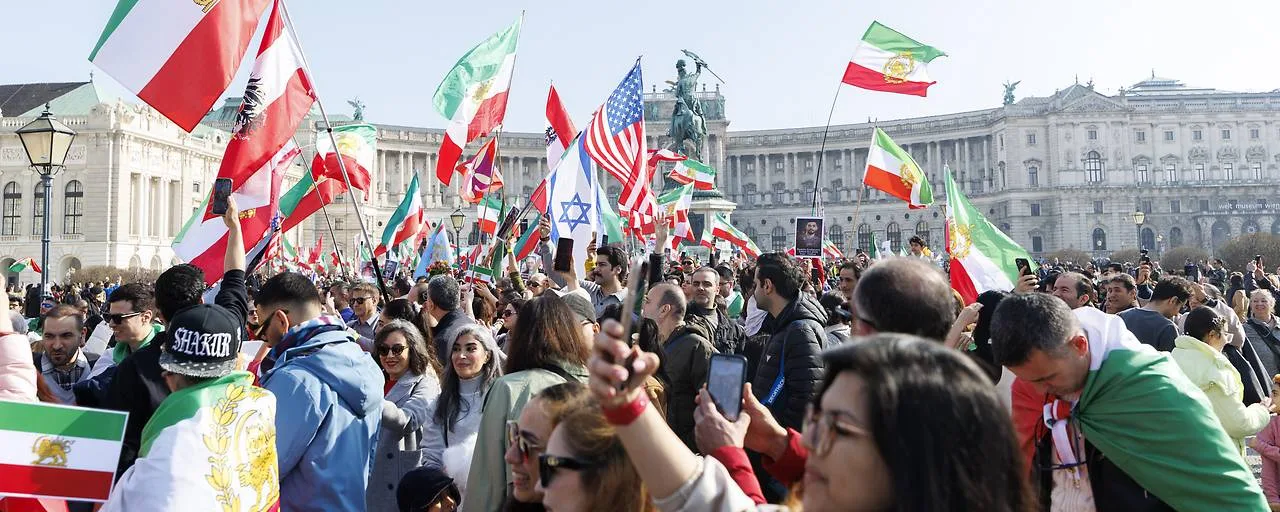
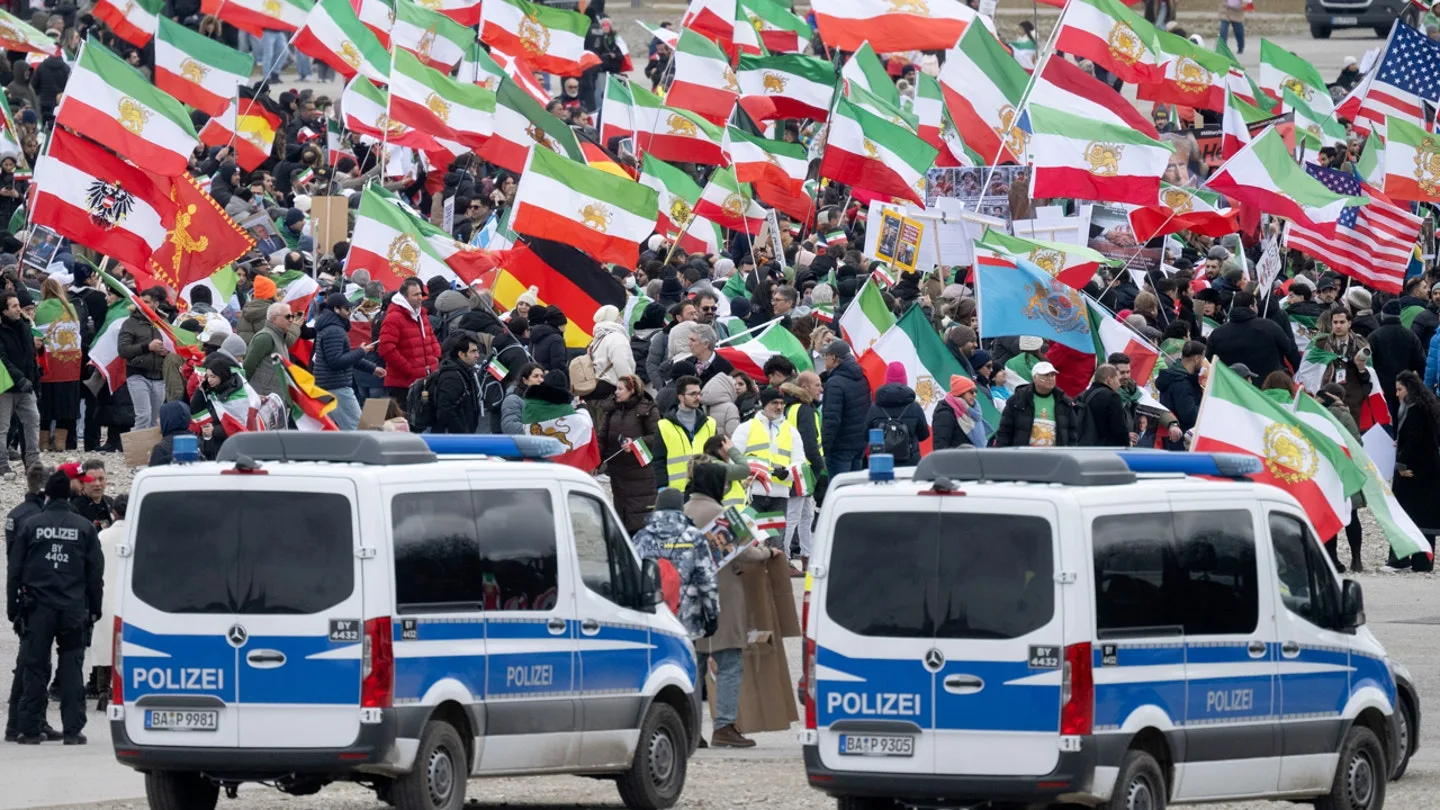
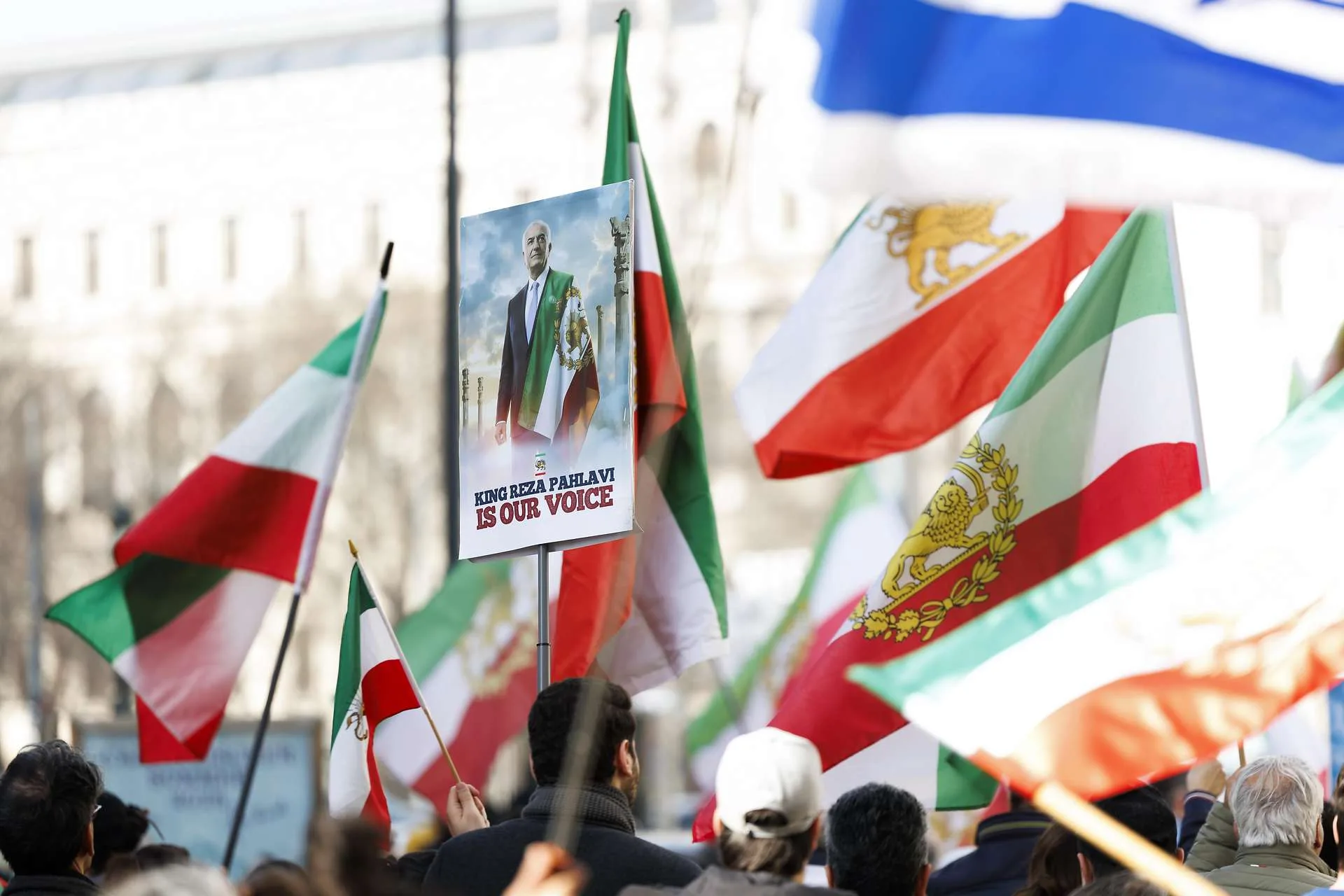
Gatherings of Iranians abroad — Munich · Toronto · Los Angeles · Vienna · Australia
Scenario Assessment
Crisis index and distance from desired outcome — lower score = better
Part Three — Destruction, Critique, and the Necessity of Reform
The fundamental distinction between fair critique and blind destruction
10. If a force constitutes a serious threat to the primary enemy, and even its most realistic worst-case scenario is better than the status quo, then blind destruction of and identity-based hostility toward that force is not rational. This proposition concerns destruction, not critique. Destruction means abuse, mockery, demonisation, and attempts to utterly annihilate the political credibility of a force.
11. Third Conclusion: Blind destruction of and identity-based hostility toward Reza Pahlavi is, in present circumstances, wrong, and may in practice serve the interests of the Islamic Republic.
Based on propositions: 6, 9, 10
An opponent of the Islamic Republic may maintain honourable, principled, and sincere disagreement with Pahlavi. The claim is that blind destruction and reputational annihilation of one of the serious anti-regime forces may ultimately serve the primary enemy’s interests — and this is self-defeating.
12. Fair, truth-seeking, and reformist critique is fundamentally different from destruction. Critique seeks to make a movement better, more democratic, and more accountable; destruction seeks to eliminate it. Critique aims at reform; destruction aims at elimination. Critique sets standards; destruction applies labels. Critique questions and demands accountability; destruction humiliates.
13. The Pahlavi movement, like all political movements in history, has real shortcomings. The abusive conduct of a segment of supporters, weaknesses in accountability, the risk of leader-worship, the possibility of power concentration and the exclusion of critics — all must be subjected to critique. Proper critique can make this movement stronger, more resilient, and more inoculated against authoritarian tendencies.
14. If the Pahlavi movement is not subjected to critique, it may move toward insularity, leader-worship, lumpenpolitics, the exclusion of critics, and authoritarianism. Any political movement, if shielded from critique, will sooner or later succumb to political corruption, arrogance, delusion, and alienation from society. Unconditional support contributes to political corruption. No political figure should be placed beyond question, critique, and accountability.
15. Fair and truth-seeking critique can render the Pahlavi camp more democratic, more accountable, stronger, and more politically mature. Proper critique can transform supporters from mere enthusiasts into demanding citizens — individuals who do not merely cheer, but question, set standards, demand answers, and refuse to sign a blank cheque for any political leader.
16. Fourth Conclusion: Fair and truth-seeking critique of Reza Pahlavi and his camp is not merely permissible — it is necessary.
Based on propositions: 12, 13, 14, 15
One who genuinely regards this movement as important for the struggle against the Islamic Republic need not fear critiquing it. Critique is not enmity; critique aimed at growth and reform is the instrument for keeping a political force in a healthy condition.
Part Four — Final Conclusion: Critical and Conditional Support
Neither Pahlavi-worship nor Pahlavi-destruction — the rational position
17. Support for Reza Pahlavi is rational only when it is conditional, critical, and in service of popular sovereignty. Support for him does not mean regarding him as the future king, as the father of the nation, or as the proprietor of Iran. Support for him functions as a possible political instrument for weakening the primary enemy and moving toward an Iran that is more conventional, freer, more secular, and more amenable to reform.
18. Fifth Conclusion: The rational position in current circumstances is neither Pahlavi-worship nor Pahlavi-destruction; rather, it is critical, conditional, and truth-seeking support for Reza Pahlavi.
Based on propositions: 6, 9, 16, 17
Pahlavi-worship says: do not criticise, for the enemy will exploit it. Pahlavi-destruction says: because this movement has flaws, it must be eliminated. I regard both as wrong. My position is this: support for striking the primary enemy, and critique for preventing corruption and authoritarianism.
19. Final Conclusion: Defending and critically supporting Reza Pahlavi, alongside fair and truth-seeking critique of him and his camp, constitutes rational and strategic conduct.
Based on propositions: 1, 2, 6, 9, 11, 16, 17, 18
• The Islamic Republic is the primary enemy of Iran.
• Reza Pahlavi constitutes a serious threat to this primary enemy.
• Even the most pessimistic realistic scenario surrounding Pahlavi is more reformable and less costly than the current Islamic Republic.
• His blind destruction serves the interests of the regime.
• Yet support without critique is equally dangerous.
• Therefore, the rational position is critical and conditional support for Reza Pahlavi.
Leave a Reply